What equipment can a business lease
Equipment leasing covers machinery and other assets used in your business. Examples include:
Construction and earthmoving: excavators, wheel loaders and other construction equipment.
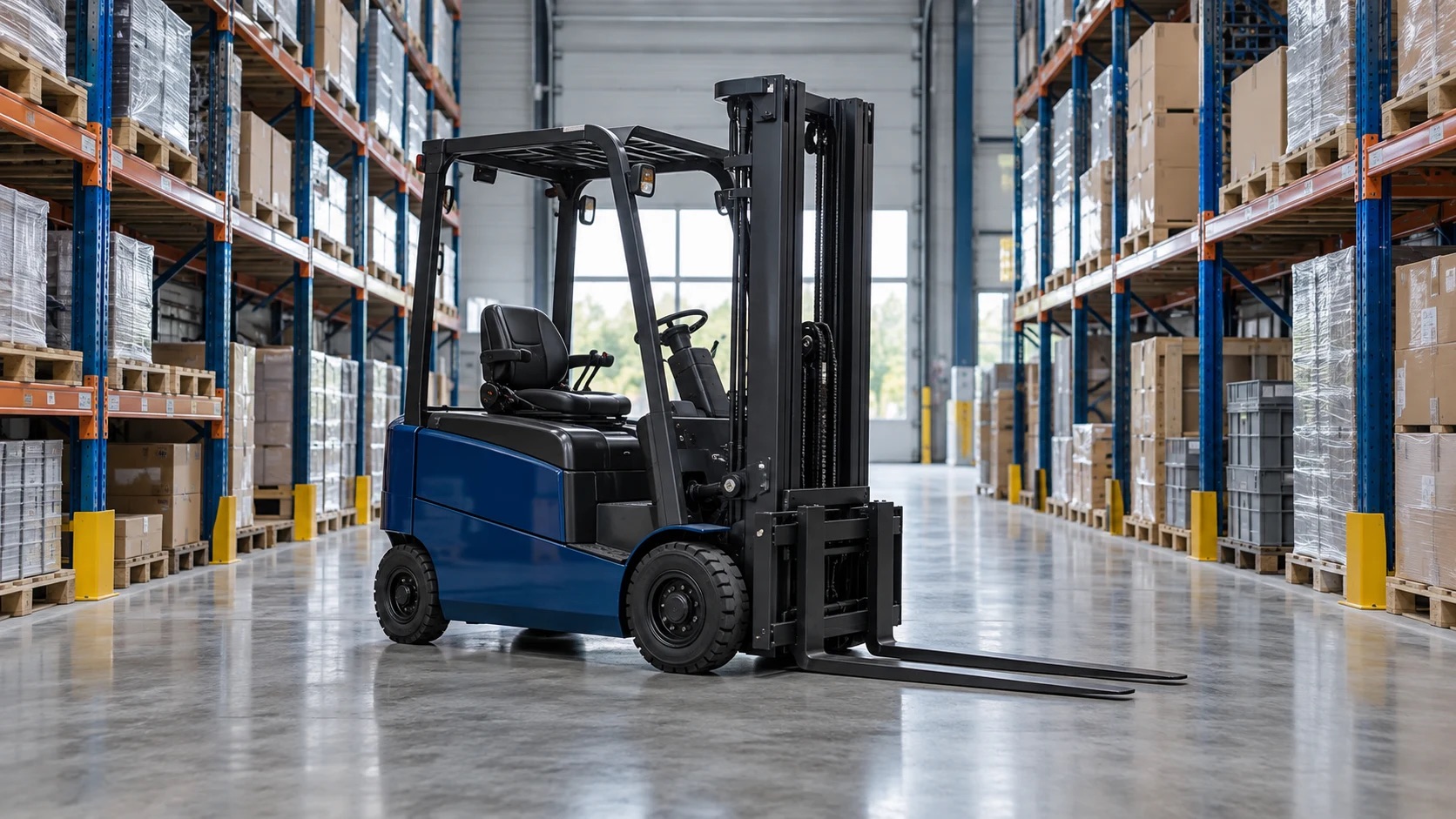
Logistics: forklifts and warehouse equipment.
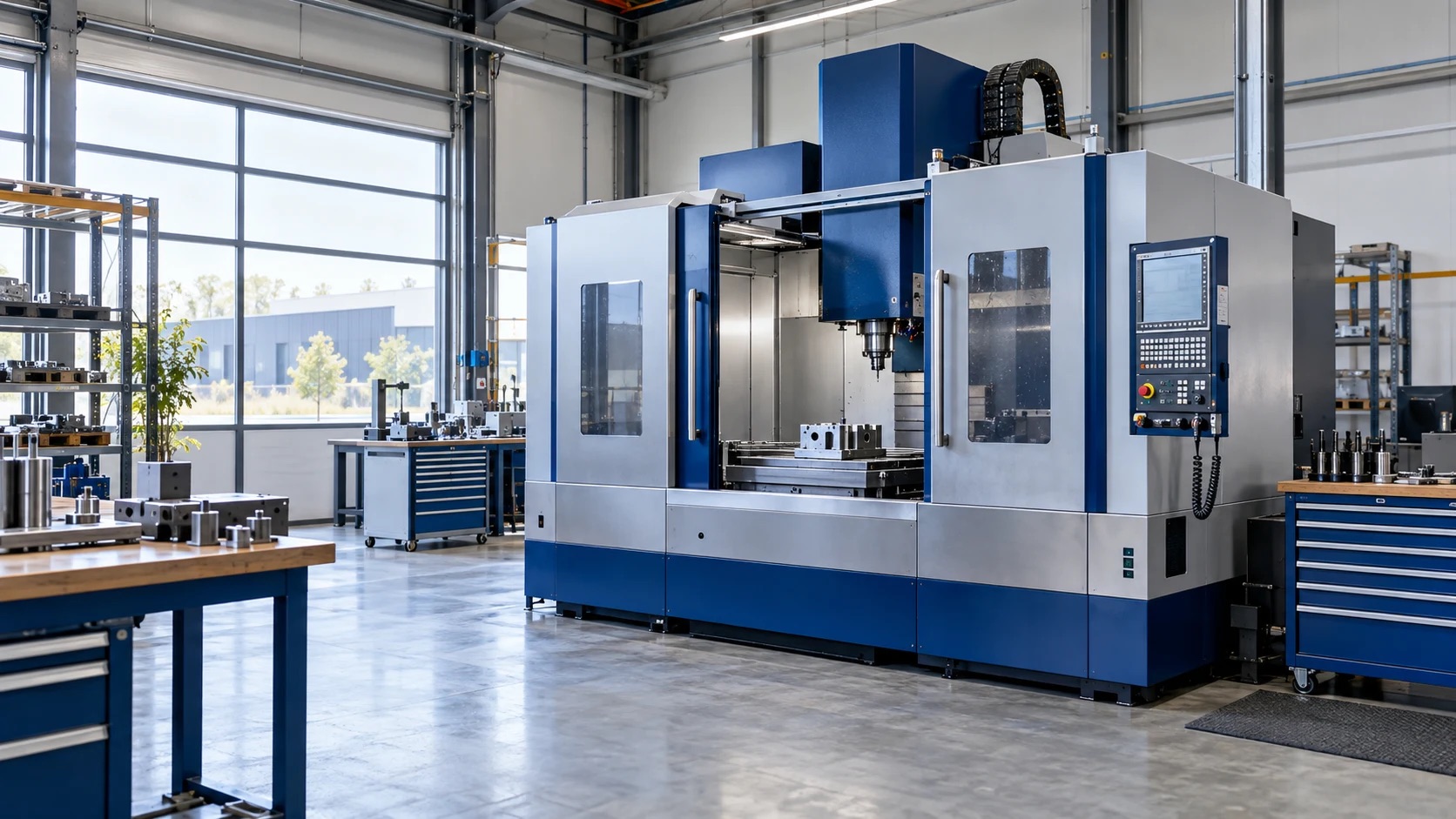
Manufacturing: CNC machines, metalworking equipment and packaging machinery.
Hospitality: commercial coffee machines and kitchen equipment.
Other sectors: agricultural machinery and certain business installations.
Not every asset is suitable for every finance provider. Its type, value, age and expected useful life can affect the options. If you already have a supplier quotation, it provides a practical starting point for discussing finance.
Equipment leasing versus a finance lease
Equipment leasing describes what you lease: machinery and equipment. A finance lease or operating lease describes how the agreement works. In the Dutch market, these are commonly called financial lease and operational lease.
With a finance lease, you finance the purchase and generally take on the benefits and risks of economic ownership. Legal ownership transfers once the payment obligations and other contract conditions have been met. With an operating lease, the emphasis is on using the asset, which you usually return at the end. Any purchase option must be agreed.
Maintenance, insurance and repairs are not automatically included in equipment leasing. Check each quotation to see what is covered and what you must arrange yourself. [1]
How do you apply for equipment leasing
A useful application starts with a clear picture of your investment and your business. These five steps help you compare proposals.
1. Choose the equipment. Collect the supplier quotation, specifications, purchase price and supplier details.
2. Set an affordable budget. Consider your income, a manageable monthly payment and the cash reserve you want to retain.
3. Have the application assessed. The finance provider reviews the request and may ask for further business or equipment information.
4. Compare the full proposal. Check interest, term, deposit, any final balloon payment and additional obligations.
5. Confirm the arrangements. After approval, coordinate signing, supplier payment and delivery.
Required documents and processing times vary. Avoid committing to a delivery date until both the finance and the delivery arrangements have been confirmed.
How much does equipment leasing cost
Your monthly payment depends on factors such as the amount financed, interest rate, lease term and any balloon payment. A deposit reduces the amount you finance. A balloon payment leaves part of the principal outstanding until the end, when it still needs to be paid.
Compare total spending as well as the monthly figure. A longer term may lower the monthly payment without making the agreement cheaper overall. Include maintenance, insurance, energy use and potential downtime in your budget.
An illustrative machinery finance calculation
Suppose a machine costs €30,000 excluding VAT and you pay a €5,000 deposit. You finance €25,000. At an illustrative 8% nominal annual interest rate, with 60 monthly payments in arrears, monthly annuity repayments and no balloon payment, the monthly instalment is approximately €506.91.
The instalments total approximately €30,414.59, calculated before rounding individual payments. This includes around €5,414.59 in interest. Adding the deposit gives approximately €35,414.59, excluding VAT and other costs. This is a calculation example only, not a Lease Point rate or quotation. Maintenance, insurance and any additional charges are excluded.
What are the benefits and considerations
The main benefit is spreading an investment while keeping more working capital available. This can suit a business that needs equipment for an extended period and can accommodate the monthly payments. [2]
The commitment also continues when orders slow down or the equipment is temporarily out of service. Consider whether your business can cover the payments during quieter periods, as well as what the equipment might earn.
Before signing, ask how often you will use the asset, how long it will remain useful and how much cash you will retain for unexpected expenses. Short-term rental may be more practical for occasional use. Leasing or buying may be a better fit for an ongoing requirement.
How do Dutch VAT and tax rules apply
With a finance lease, depreciation and business interest may be deductible; repayment of principal is not a deductible expense. An investment allowance, such as the Dutch KIA, may also apply if the business and investment meet the conditions. [3][4]
VAT treatment depends on the agreement. VAT is charged upfront when the lease qualifies as a supply of goods, and per instalment when it qualifies as a service. Recovery depends on your entitlement to deduct VAT. Ask your accountant to check the treatment and any upfront VAT funding needed. [5]
Can you lease used equipment
Yes, used machinery can qualify for equipment leasing. This does not mean every used asset can be financed. Ask the finance provider to assess the equipment and the proposed term before you commit. [6]
Compare service history, operating hours, warranty and spare-parts availability as well as price. A cheaper machine can become expensive if repairs or downtime disrupt your work. Ask the supplier for specific information about its condition.