Information you may need to provide
Depending on the provider and your circumstances, you may be asked for proof of identity, KVK details and financial information. This could include bank statements, a turnover summary or a forecast if you have little trading history. There is no single document checklist for every new business and lease arrangement. [3]
For an initial conversation with Lease Point, start with your plans. Tell us which vehicle you are looking for and what you would like to spend each month. We will then explain which information is needed to move your application forward.
What about a BKR credit registration
A registration with BKR, the Dutch credit registration agency, does not automatically mean you have missed payments. Registrations can be positive or record issues such as arrears. A lender may take this information into account. Whether business finance is registered also depends on factors such as your business structure and personal liability. [4]
Discuss existing credit commitments or previous payment difficulties early. This helps an adviser assess your circumstances without creating expectations that may be unrealistic.
Look at your total vehicle budget
A monthly payment that feels affordable today also needs to work in a quieter month. Start by listing your expected income, fixed expenses and cash reserve. Include the other vehicle costs before choosing between leasing and buying. [6]
With financial lease, maintenance, insurance and damage are generally your responsibility. The lease payment is therefore not automatically an all-inclusive motoring package. [5]
Use this checklist to complete your budget:
Cost | What to establish in advance |
|---|
Lease payment | Would the monthly amount still work if turnover fell? |
Insurance and vehicle tax | Which recurring amounts do you need to allow for? |
Maintenance and tyres | What reserve will you keep for replacement and repairs? |
Fuel or charging | What will your expected journeys actually cost? |
Parking and other expenses | Which costs come with your clients and work locations? |
Final payment | How will you prepare for any balloon payment? |
The right lease vehicle leaves room for the rest of your business. Think about stock, marketing, tools and invoices you still need to pay.
Down payments and VAT at the start
A financial lease agreement may include a down payment. Ask what you need to pay upfront and how much will be financed. [13] Weigh any contribution against your cash reserve: money committed to the vehicle cannot cover other expenses at the same time.
For a vehicle sold with separately itemised VAT, consider VAT separately. Under financial lease, it is generally charged when the vehicle is supplied. Ask whether you need to fund that amount upfront. [7] VAT is deductible only to the extent that you are entitled to deduct it and use the vehicle for VAT-taxable activities. [8]
For a margin-scheme vehicle, there is no separately itemised purchase VAT on the invoice to reclaim. Compare quotes on the same basis and check how much cash you will actually need at the outset. [9]
Understand the balloon payment
A balloon payment is part of the finance that you repay at the end. It reduces the principal repaid during the contract and can lower the monthly payment. The final amount still has to be paid. [5]
Lower monthly payments can be useful, but consider how you will cover the final balance. Do not base your plan on a guaranteed sale price or on further finance that has not been approved.
A simple worked example
Suppose you choose a margin-scheme vehicle on these terms:
Item | Amount or term |
|---|
Purchase price | €24,000 |
Your down payment | €4,000 |
Amount financed | €20,000 |
Contract length | 60 months |
Balloon payment | €5,000 |
In this example, you repay €15,000 of principal during the contract and a further €5,000 at the end. You also pay interest. Dividing €15,000 by 60 will therefore not give you the monthly lease payment.
This is an illustrative example, not a Lease Point offer. Your proposal will state the actual interest rate, monthly payment and terms. Also ask for the total amount payable over the full contract.
Dutch tax points to consider
Whether you are an entrepreneur, a private individual, or a property owner, tax regulations are constantly changing and directly impact your wallet. Keeping track of all tax deductions, exemptions, and legislative changes can be a challenge. Below, we have listed the most important tax points to consider, ensuring you don't miss any opportunities and avoid unexpected surprises later on.
Repayments and expenses are different
With business financial lease, depreciation, interest and business running costs may reduce taxable profit. Repayment of the principal is not a deductible expense. Ask your accountant to record the vehicle and finance correctly. [10]
Investment allowances are not automatic
An ordinary passenger car used for client visits generally does not qualify for the Dutch small-scale investment allowance. Passenger cars not intended for professional passenger transport are excluded. For a commercial van, have the relevant conditions checked separately. [11]
Private use can have tax consequences
Using a business vehicle privately may trigger a Dutch taxable addition, known as bijtelling. Entrepreneurs subject to Dutch income tax do not need to apply this addition if they can demonstrate no more than 500 private kilometres on an annual basis. If you start partway through the year, private use must be annualised. [12]
A possible VAT adjustment for private use is a separate matter. [8] Discuss both before including a tax saving in your budget.
Choosing a vehicle for your new business
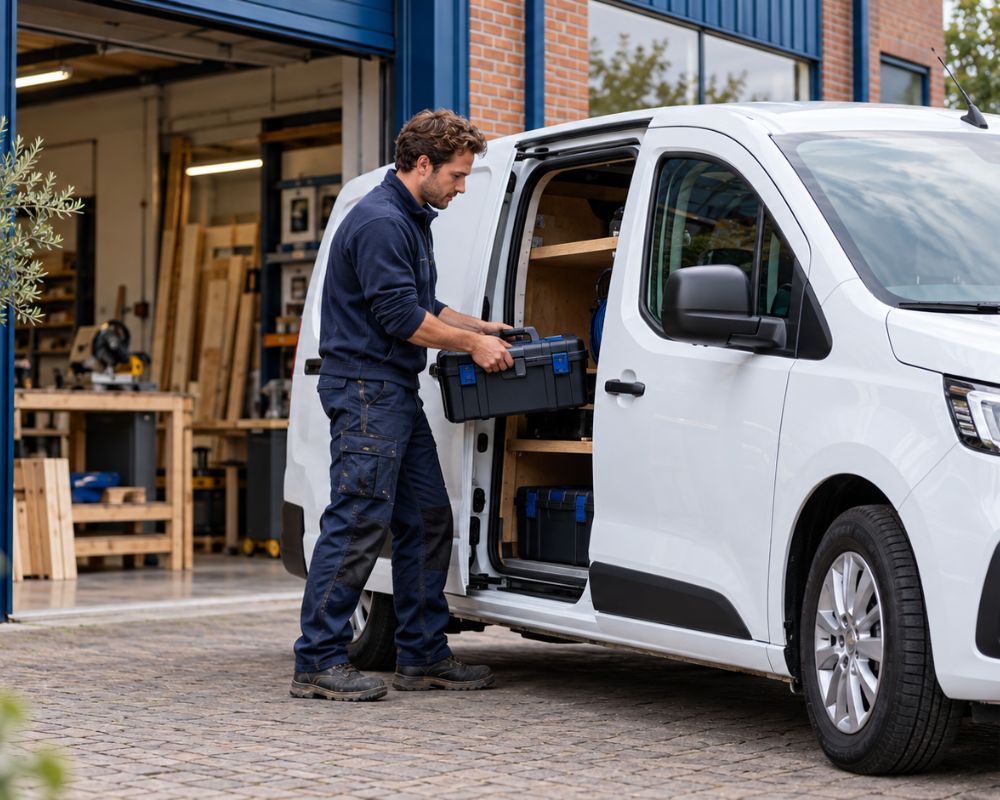
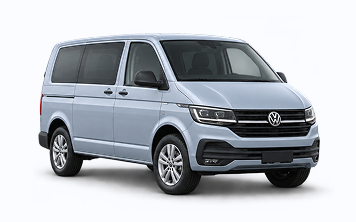
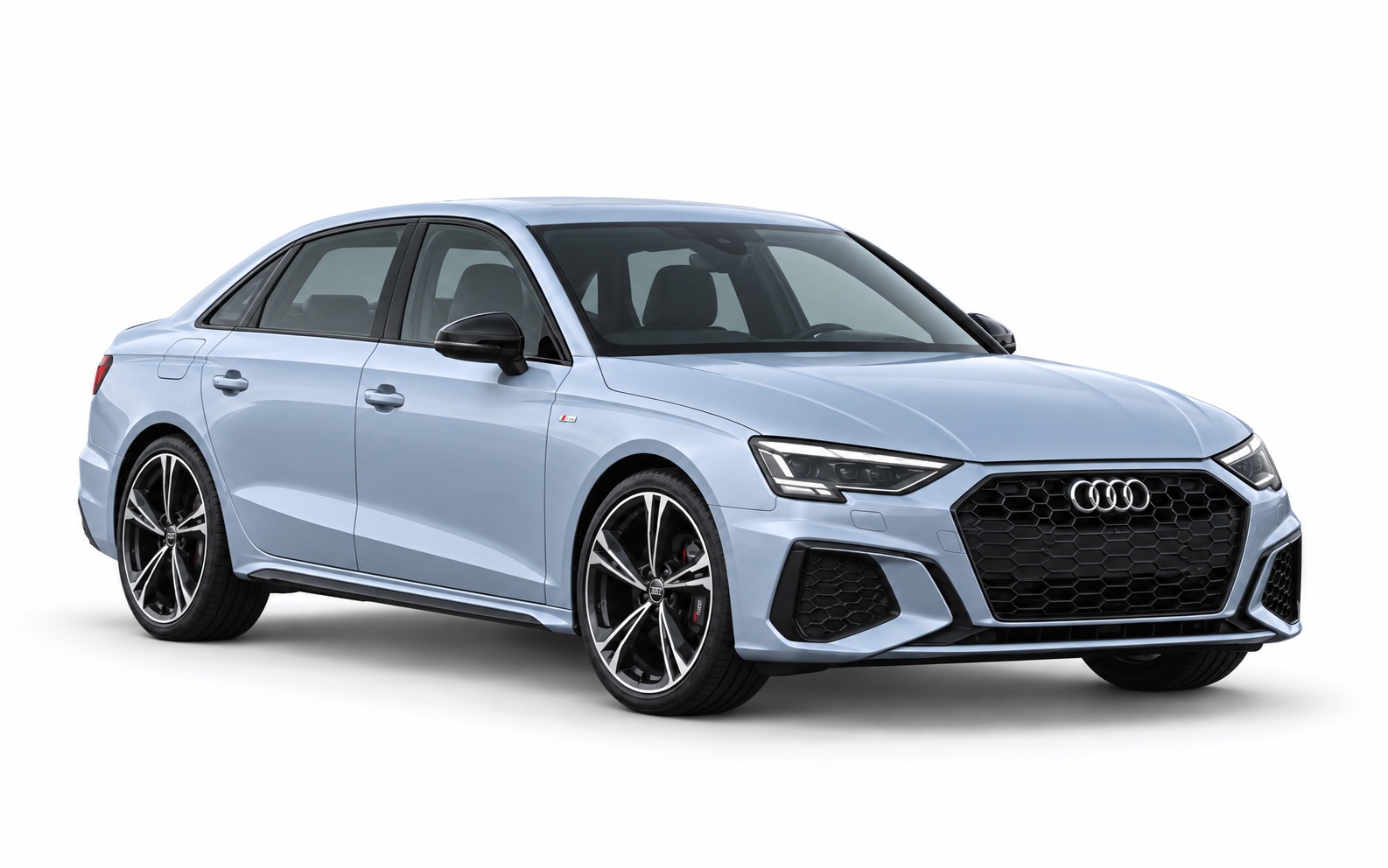
Start with your working day. A consultant with frequent client meetings needs something different from an installer carrying tools, parts and ladders. List the essentials first: seating, load space, practical access and comfort on longer journeys.
Compare a suitable used vehicle with a new one. A used vehicle can be a more affordable alternative, but you still need to understand the overall costs. [6] Ask about its service history and the agreed delivery condition. If you are considering an electric vehicle, factor in your daily routes and charging options.
Then choose a vehicle that suits your current work. Growth can be part of your plan, but you do not have to finance a vehicle that only makes sense for a much larger business.